Table Of Content
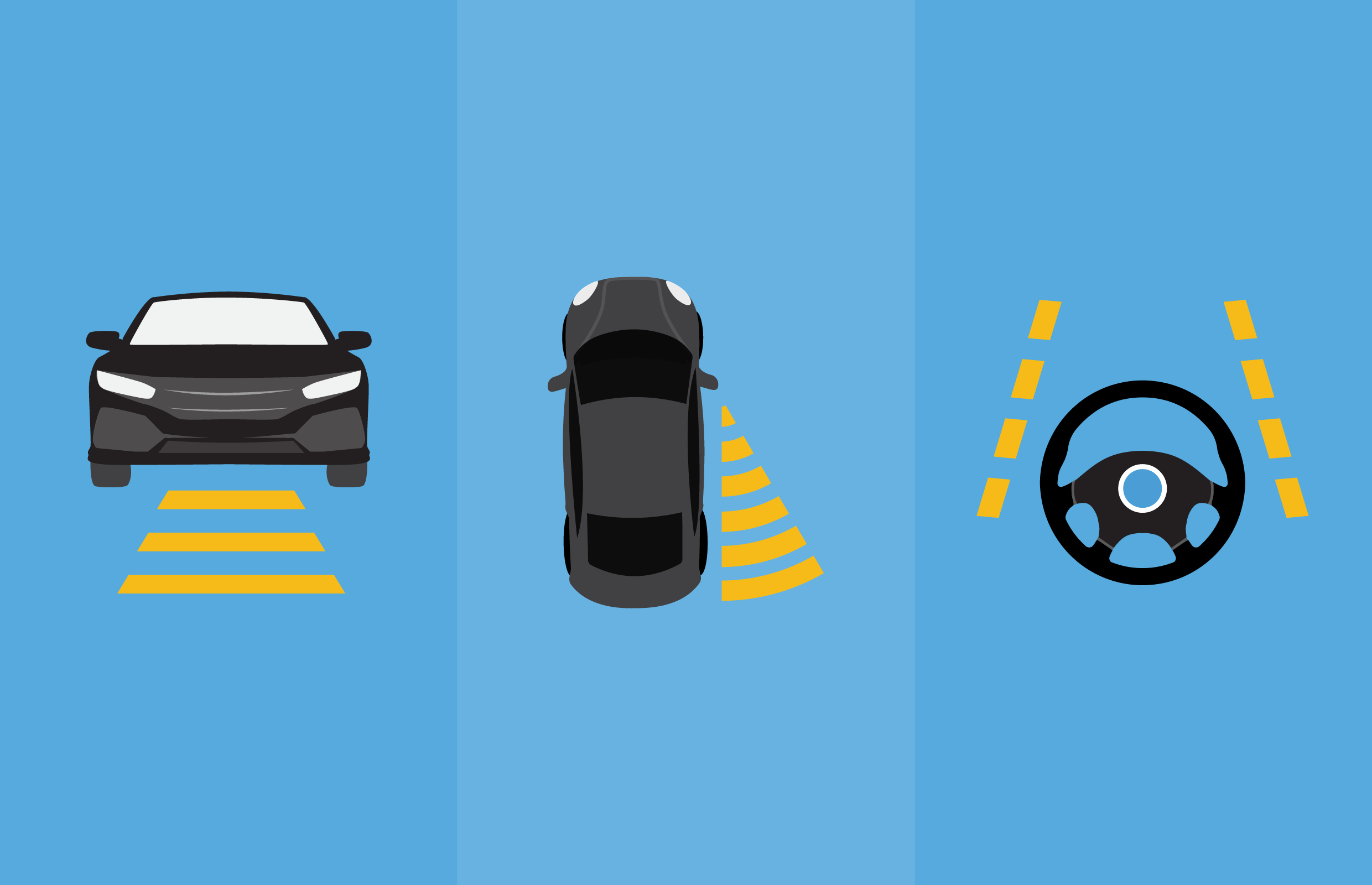
If the vehicle in the front appears suddenly and comes too close to the car, adaptive cruise control will stop the vehicle to avoid a collision. Some of today’s cars are equipped with adaptive cruise control (ACC). Many of us would admit that we’re not very consistent in maintaining a steady speed on the road, even on motorways. For a deeper understanding of cruise control and its various aspects, it’s always beneficial to refer to your vehicle’s manual and seek guidance from automotive professionals. While driving through the city, you’ll face a number of stop lights and stop signs that will require manual braking.
Steps
It ensures that the engine takes in the exact amount of air required to continue cruising at the set speed. In many cars, the actuator is powered by a small electronically controlled vacuum valve instead of being controlled by a cable. The vacuum pressure holds the position of the throttle, allowing hands-free cruising of the car. Cruise control is best suited for long drives on large, straight roads such as an interstate highway with cars traveling at a relatively constant speed. It’s inappropriate in stop-and-go traffic; when weather conditions are snowy, icy, or even heavy rain; on narrow, curvy roads; or with frequent speed limit variations. The time and attention it takes to disengage the cruise control in these situations could lead to a crash.
Winding Roads
Usually, the factory offers three or four choices from which you can pick. A graphic on the driver information screen displays a representation of the changing minimum distances as you use the button to scroll through them. Step 5 - If you wish to accelerate when the cruise control is engaged, you can press the ‘+’ button on the steering wheel to briefly engage the accelerator pedal. If you have set the cruise control correctly, the car should maintain the cruising speed. But with the advent of technology in the automotive industry, the cruise control system in modern cars entirely relies on electronics. Instead of a cable, the system now communicates with the throttle via various sensors connected to a computer (ECU - Electronic Control Unit).
Does cruise control use more gas?
However, an additional limiter can be added as an option in many European-made cars, as well as Tesla, Ford, and Nissan. Drivers are still required to keep their foot on the pedal to keep their vehicle in motion, but will not be able to accelerate past a predefined speed limit. Adaptive cruise control uses sensors around the vehicle’s exterior to maintain speed while keeping a safe following distance from the car ahead.
Florida man put car in cruise control then partially stood up through sunroof while speeding, deputies say - FOX 35 Orlando
Florida man put car in cruise control then partially stood up through sunroof while speeding, deputies say.
Posted: Tue, 02 Apr 2024 07:00:00 GMT [source]
What is adaptive cruise control?
Cruise control is designed to be used on A-roads and motorways that don’t have frequent stops and turns to negotiate. Founded in 1937, Progressive is the third largest personal car insurer in the U.S. with over 26 million drivers enrolled. Life Lanes helps you do just that, from owning a car and home to other life moments and adventures.
Fuel Efficiency
While fully autonomous vehicles are still in the developmental stages, the integration of cruise control technology is a big step toward creating safer and more efficient transportation systems. Cruise control can serve as an invaluable tool for drivers, but isn't infallible. Ensuring that you use it for its intended purpose is the key to best taking advantage of it.
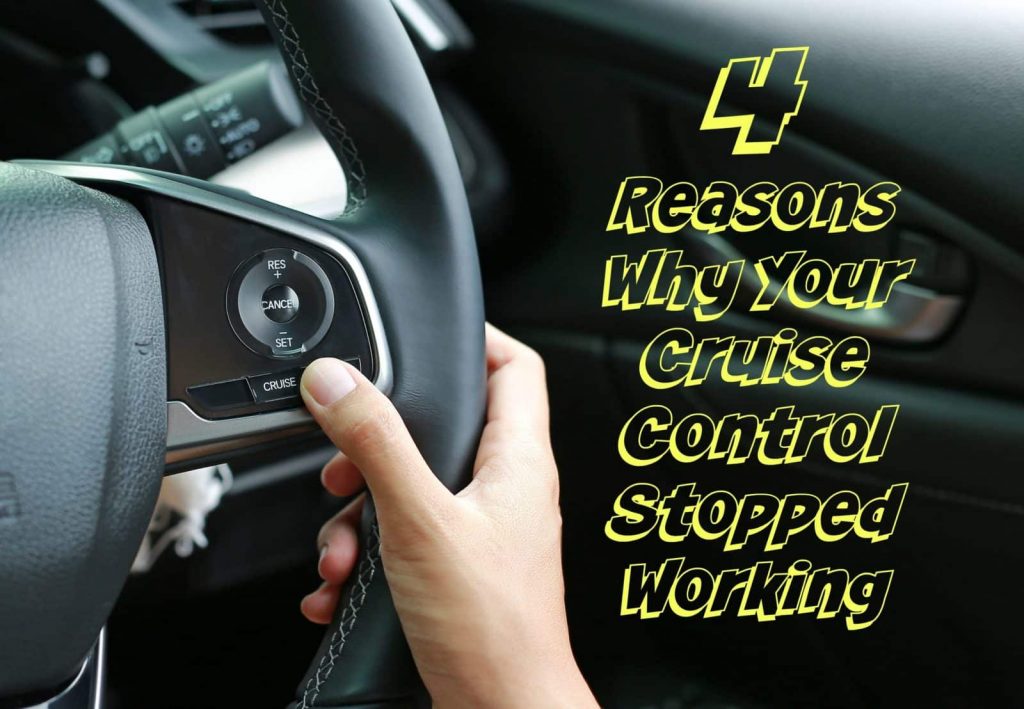
As mentioned earlier, cruise control also has some cons, which are listed below.
Cruise control vs adaptive cruise control: Key differences
Cruise control is an electronic system which allows the driver to take their foot off the accelerator pedal and lock it at a specific speed. This electronic system is highly intuitive and drives exactly like a human driver. In heavy traffic, on winding roads, going downhill and when approaching a bridge. Constantly accelerating and braking will use significantly more fuel than maintaining a set speed.
Adaptive Cruise Control (ACC)
If these sensors are dirty or malfunctioning, the system might not maintain the speed. Also, consider checking wheel alignment and tire condition, as these can affect performance. Ensure it’s turned on and you’re at the right speed (usually above mph). If these aren’t the issues, it might be a blown fuse, a faulty brake pedal switch, or a defective speed sensor. Check your vehicle’s manual for fuse information and consider a professional inspection of the brake pedal switch and speed sensor.
For example, the Set and Accelerate functions are often incorporated into the same button or toggle. Conventional cruise control uses its computer to maintain a speed determined and manually set by the driver with no awareness of or regard for surrounding traffic and conditions. Capable of responding to topographical changes, like going up and down hills, the computer increases throttle pressure or engages the engine brake to maintain the preset speed. Controlling the speed of a car is a classic application of control system theory. The cruise control system controls the speed of the car by adjusting the throttle position, so it needs sensors to tell it the speed and throttle position.
Wait for a moment when it’s appropriate to use cruise control before turning it on. Check that the road is clear, that weather conditions are good, and that you’re on a highway or a road where you won’t have to stop or change speed often. If conditions are right to use cruise control in your car, turn on the system. If it’s your first time using your car’s cruise control system — or if you’re not 100% sure how to turn on cruise control in your car —the process starts before you crank the engine. Different makes and models may have different combinations of buttons or features. BMW offers the Driving Assistant Professional system, which includes features like adaptive cruise control with stop-and-go, lane-keeping assistant, and traffic jam assistant.
Cruise control has been popular for decades but has slowly driven into the hearts of Indian drivers in the past few years. One potential downside to using cruise control is that it can result in the driver having a reduced reaction time when they must respond quickly to an unexpected situation on the road. Motorbiscuit reminds drivers that cruise control is not a hands-free driving feature.
You can even find this feature in the top-spec variants of some of the affordable hatchbacks and sedans. Cruise control is a system in cars that automatically controls the speed of the car. The driver sets a desired speed, and the cruise control system will maintain that speed without the driver having to do anything.
These are commonly located on the steering wheel or on the windshield wiper or turn signal stalk. Tapping the knob in the opposite direction will decelerate the vehicle. As a safety feature, the cruise control system will disengage as soon as you hit the brake pedal. While knowing how to use cruise control can reduce leg fatigue, it can require more mental concentration.


No comments:
Post a Comment