Table Of Content
This is one of the first books I recall that talked about writing for the web and digital interfaces, a topic that had been overlooked for years. Beautiful illustrations throughout the book make it an easy read. “Wonder is the beginning of wisdom in learning from books as well as from nature”, said Mortimer Adler, author of the classic guide “How to read a book”.

User Experience Optimization Guide For SaaS: Steps and Techniques
Minding the microcopy and actively working towards improving it is what makes timeless user experiences. Then the authors move onto real-life situations, strategizing in a project environment and best practices on other aspects of writing for UX. The book takes a step-by-step approach and considers every possibility you might come across when working on a new product; it even has a chapter on building a better team. UX being directly linked to the internet and contemporary trends, it is even more important for a UX designer to keep reading even in the later years of their career. The project guide offers insider tips for understanding the roles of stakeholders in a UX project, conducting user research, doing SEO, coming up with personas, and more.
Start with Why
Norman discusses the psychology of everyday actions, revealing how good design can make users’ lives more efficient and enjoyable. Whether you’re a complete novice out for beginner lessons or a veteran in search of expert-level knowledge, you’ll find the right books for you. Centralize all your design team needs, break down complex tasks into manageable goals, and improve your user journey with ClickUp. ClickUp’s productivity platform for design teams helps you collaborate, organize, and deliver outstanding UX designs.
ClickUp: The Best Design Tool for UX Designers
UX writers work very closely with copywriters and (in part) marketeers. You’ll start easy with UX basics, how-to’s, and principles to get you going. In addition, he is the author of multiple books, including the one I recommend here. The UX book is called You’re My Favorite Client, and it is the follow-up to his first book, Design Is A Job.
Hi, I just finished reading a Kindle edition. The images are, in the majority, fully readable even without using zoom…
This is the actual reward after the user makes the action, such as likes on a post, or receiving a funny image. It essentially boils down to two aspects, either an entertaining or useful reward. The differentiated aspect of this stage is the ‘variable’ part of the reward, the reward can’t be predictable, the user shouldn’t anticipate what’s coming.
Overall, “100 Things Every Designer Needs to Know About People” is a valuable resource for designers of all levels, providing practical advice and interesting insights into the design field. The first section provides an overview of the key design principles and ideas. Then, the authors dive into the nitty-gritty of design, using the best examples out of any product design book ever. Torrey Podmajersky has worked in various roles, including UX writer, content strategist, and interaction designer. Her experience across these fields gives her a unique perspective on how writing and design intersect to create user-friendly experiences. Kinneret Yifrah is a microcopy expert specializing in user experience writing for digital products.
Want to dig into design? Facebook's UX master offers some must-reads - TED Ideas
Want to dig into design? Facebook's UX master offers some must-reads .
Posted: Tue, 20 Jan 2015 08:00:00 GMT [source]
"Refactoring UI" by Steve Schoger & Adam Wathan
Whether you're an entrepreneur, a designer creating products people use, or interested in learning why we do the things that we do, Start with Why is an invaluable read. The book covers the fundamental principles of usability testing and shares recommendations on planning, conducting, and analyzing usability tests. It covers a wide range of testing methods, including remote testing, lab testing, and guerrilla testing. It provides practical guidance on choosing the proper method for different testing goals. This book guides through some easy steps to better IA and leaves designers feeling empowered.
Sprint: How to Solve Big Problems and Test New Ideas in Just Five Days
The Design of Everyday Things was first published in 1988, and it’s known as the usability bible. Fresh insights from experts, alumni and the wider design community. Learn the essentials of software development so you can work more effectively with developers. Though written in 2005, I found that most principles in this book are relevant to this day. Also, Tidwell uses plenty of example screenshots to make her points more comprehensible. Just be prepared that some of the screenshots are a real throwback.
It’s a new blog with a very simple and clean interface, no more distraction from advertisements or others. Articles are all surrounding the topics of design tools, UI/UX design, web design, and mobile app design. The first hard copy of a UX book I ever had is a bestselling game-changer about how to create addictive products without pushy content and expensive advertising. As Gerry McGovern shows in his book World Wide Waste, we need to think again. Every time we publish something or interact online, servers around the world consume energy. Not to mention the fuel needed to store the messages in our full inboxes.
And without decent business results, the product could eventually go bust. If you want to become a UX writer and plan to read just one single book, make it this one. As it includes lots of examples, it’s also great as a reference book when it comes to creating different microcopy scenarios.
If you read or are familiar with the agile methodology popularized by the book The Lean Startup , you will love Lean UX, as it applies the same concepts adapted to the strategy for UX design. The main purpose of this book is to teach design students, but it’s a useful resource for practitioners too. It pioneers designing for normal people through the likes of user research and personas.
But the very first is the fact that Susan Weinschenk has a PH.D. in psychology, is the Chief Behavioral Scientist, and the CEO at The Team W, In. Here are some books for the new UX designers to get the hang of it. Enables personalizing ads based on user data and interactions, allowing for more relevant advertising experiences across Google services. With a combined 50 years of UX research experience, Travis and Hodgson provide invaluable insights into UX research planning, data analysis, and team persuasion.
A must-read book for designers by “Don Norman” questions everything from doors to tea kettles to the most sophisticated computer programs. Anyone who designs anything to be used by humans must read this book. It could forever change how you experience and interact with your physical surroundings. Since 2018, I have been curating annual reading lists to support product managers in navigating the ever-changing landscape of product development and management. Each list addresses the evolving challenges and opportunities within the field. You can view last year’s list here to explore previous recommendations and see how the trends have shifted over the years.
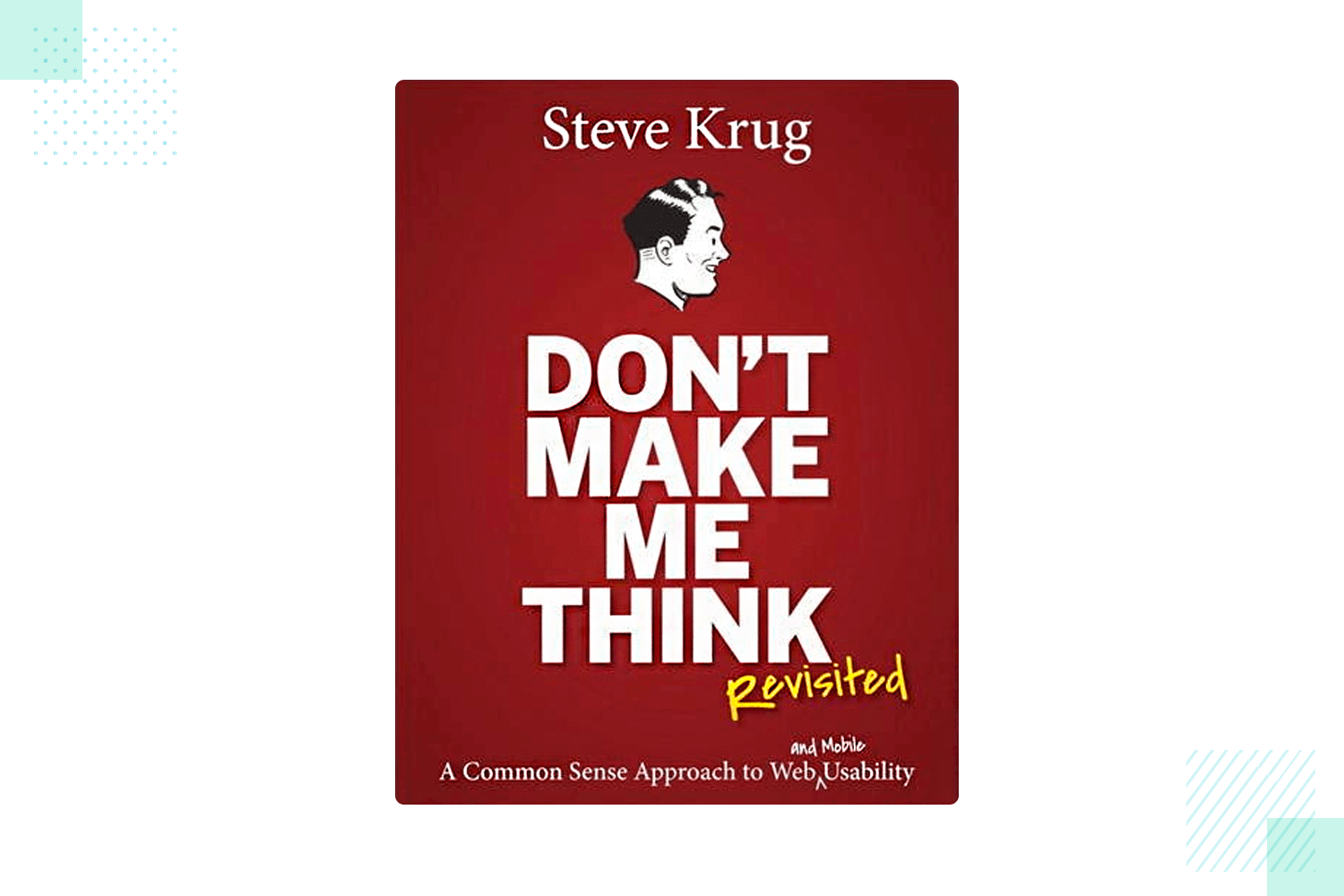
This book serves as an essential guide for understanding the user journey and the psychology behind it. The book "Don't Make Me Think" by Steve Krug is a guide on how to improve web usability and provide a positive user experience. It lays out a set of principles and examples for making the user's journey on your website as effortless and enjoyable as possible. The book covers a variety of topics including reading and scanning patterns of users, effective content structure and clear navigation design.
With all the choices they have to make and the need for collaboration with the design team, the first thing UX writers need to do is be acknowledged. Now, if you’ve found yourself looking for a way into this trend as an advanced UX designer, I have just the book for you. Jeff Gothelf and Josh Seiden’s Lean UX explores the outcomes of an agile working mindset and how you can make the most of lean UX. What Laura Klein does with Build Better Products is set out a framework for product management that takes all aspects of creating a successful product into account.
At the risk of being biased, we recommend starting with Product Rantz written by our marketing head, Emilia Korczynska. While it’s more beginner-friendly, the book contains ideas that anyone will find useful. You can also sign up for the Product Rantz newsletter to get a weekly dose of PLG and UX education. Hall emphasizes the importance of doing ‘just enough’ research to inform design decisions without getting bogged down in analysis paralysis. The book covers a variety of research methods, from qualitative interviews to quantitative surveys, and how to apply these findings effectively in UX design.


No comments:
Post a Comment